6 SEO Mistakes That Are Harming Your Website
Your website could be working against you, and you’d never know from looking at it. Most of the common SEO mistakes we spot in audits come from advice that made sense a few years ago and doesn’t anymore.
If your SEO still runs on an old playbook, you’re handing enquiries to competitors who turn up in AI Overviews and answer-first results instead.
The Lowdown
- AI search pulls from pages that are already well built, indexed and genuinely useful.
- Content with no real experience behind it struggles to earn Google’s trust.
- A slow or jumpy site costs you rankings and enquiries at the same time.
- Clicks are only one measure of SEO success now that more answers appear on the results page.
- Stale pages, orphaned content and old myths drag your whole site down.
Want AI Search to Find Your Business?
Showing up in AI Overviews relies on the same foundations as ranking on Google, and most sites have gaps their owners don’t know about. See how our AI Search Optimisation service works, or get in touch for an honest look at your site.
1: Treating AI Search as a Separate Problem
Plenty of business owners worry they need a whole new strategy for AI search. Fair enough, given the noise. The reassuring bit is that Google says there are no additional requirements or special optimisations for AI Overviews or AI Mode. A page needs to be indexed and eligible to show with a snippet.
There are SEO mistakes that hurt visibility in AI search, though.
The real mistake is neglecting the basics while chasing AI hacks. Blocking crawlers, hiding key information in images or PDFs and structured data (code that labels content for search engines) that doesn’t match the page all hurt your chances.
Fix the fundamentals first. We cover the bigger picture in how AI search is changing SEO for small businesses, so head to that blog to find out more.
2: Publishing Content With No Real Expertise Behind It
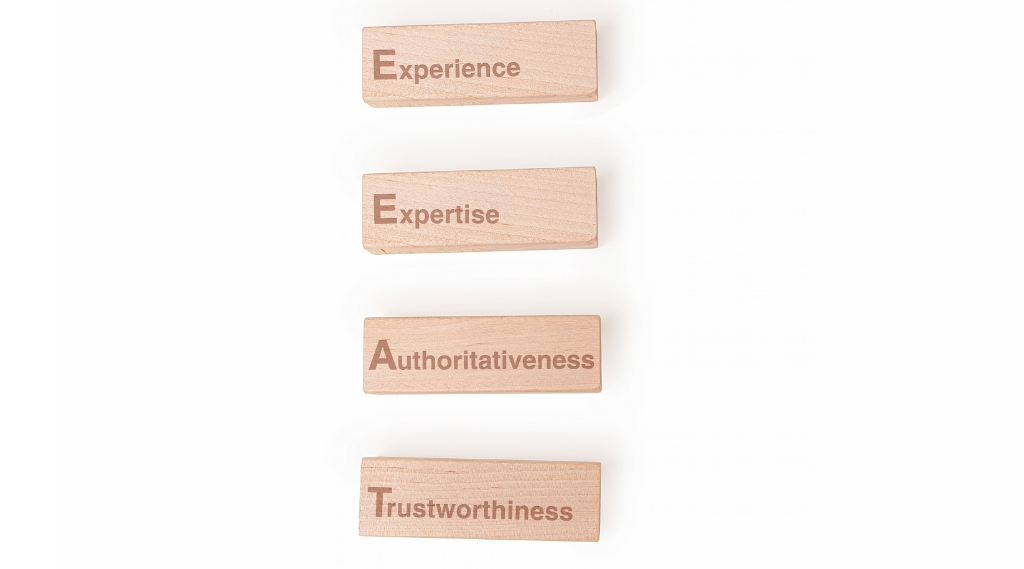
Google’s quality guidance leans on E-E-A-T: experience, expertise, authoritativeness and trustworthiness. In plain English, does your content prove you know your stuff? Google says trust matters most, and its quality raters look at the effort and originality behind a page.
This is where generic, AI-churned posts come unstuck. If your article says the same as the ten above it, nobody has a reason to pick yours. Add what only you know: client examples, local insight and opinions you’d defend in a meeting, with a named author. Our copywriting team works exactly this way, and this blog post digs deeper.
3: Ignoring Core Web Vitals
Core Web Vitals are Google’s three measures of how a page feels to use: how fast the main content loads, how quickly it responds to a tap and how much the layout jumps about. Google recommends loading within 2.5 seconds, responding in under 200 milliseconds and keeping layout shift below 0.1.
Your site might feel fast on the office wifi. Your customers may be on a patchy signal in a car park, and frustrated visitors rarely fill in contact forms. Check the Core Web Vitals report in Search Console and fix the worst pages first (oversized images, heavy plugins and pop-ups are usual suspects). Our technical SEO team can help, and our post on website design and rankings explains why the build matters.
4: Judging SEO by Clicks Alone
Zero-click search changes what success looks like.
Zero-click search is when someone gets their answer on the results page (an AI Overview, map listing or featured snippet) without visiting a website. Understandably, it’s unnerving when the traffic graph dips.
A dip in clicks tells you less than you’d think, though. Google reports that clicks from pages with AI Overviews tend to be higher quality, with visitors spending longer on site. Track what pays the bills (enquiries, calls and conversions) alongside impressions in Search Console. Our marketing analysis service turns those numbers into decisions.
5: Leaving Pages Stranded Without Internal Links
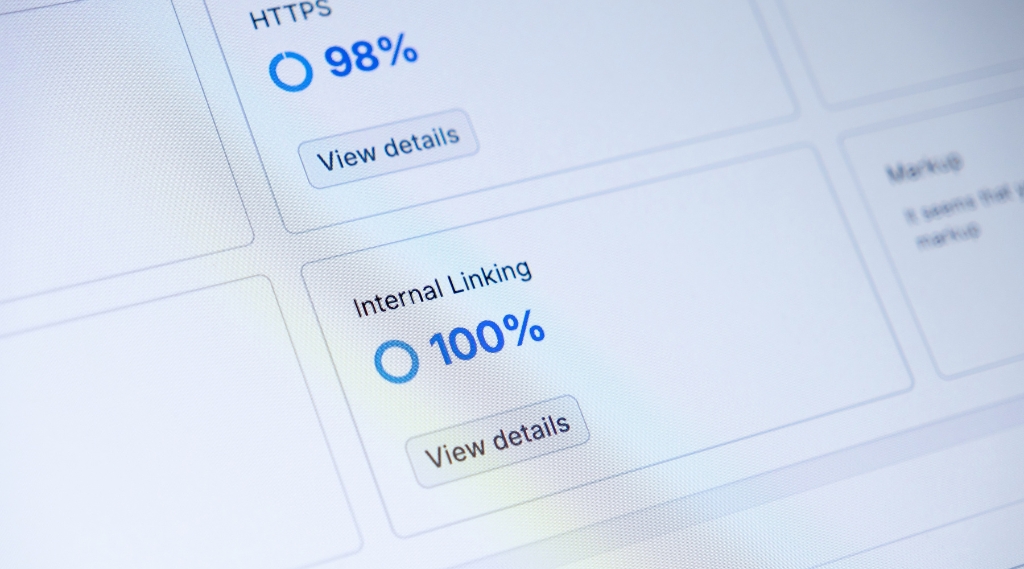
Internal links connect pages on your own site. They help visitors and Google find pages and see how your topics fit together. Google advises that every page you care about gets a link from at least one other page, with descriptive anchor text rather than “click here”.
The classic slip is publishing a blog post and never linking to it again. Instead, group content around your core services, with service pages pointing to helpful guides and guides pointing back. That builds topical authority (the sense that you’re a go-to source on a subject), and a considered content marketing plan makes it easy to manage.
6: Letting Stale Content and Old SEO Myths Pile Up
Most sites carry posts nobody has touched in years. Old prices, departed staff and dead links chip away at trust, and AI tools deciding what to cite notice too.
Outdated SEO tactics worth dropping:
- Hard word-count targets. Google states it has no preferred word count, so write what the topic needs.
- Keyword stuffing and “LSI keywords”. Cramming in variations makes copy clunky, and readers spot it instantly.
- Fake freshness. Changing a page’s date without updating it fools nobody, and Google lists it as a warning sign.
Audit regularly, then update, merge or retire anything stale. If traffic dips this year, start with our breakdown of Google search updates in 2026.
Ready to Get Your AEO and SEO Pulling in the Right Direction?
At One2create we’re proud to have helped businesses across Hampshire, Berkshire and the South of England get found online since 2002.
Our in-house SEO team are Google Partners and Google Certified Analysts, fixing technical foundations and sharpening content so you stay visible in traditional and AI search. Reporting focuses on leads and enquiries.
Suspect your site’s being held back? Book a free consultation, and we’ll tell you straight what to fix first.
FAQs
Why isn’t my website showing up on Google?
Usually Google can’t crawl or index the page, or other pages answer the search better. Check the page in Google Search Console to confirm it’s indexed. If it is, compare your content with what currently ranks.
What are the most common SEO mistakes small businesses make?
The most common SEO mistakes are generic content, slow pages, weak internal linking and content that’s never updated. Many businesses also still chase word counts or stuff keywords. Fixing these basics usually beats any new trick.
Do I need to do anything special to appear in AI Overviews?
No. Google says there are no extra requirements beyond being indexed and eligible to show with a snippet. After that, standard SEO best practice applies.
What SEO mistakes hurt visibility in AI search?
Blocking crawlers, hiding information in images or PDFs and publishing thin, generic content are the big ones. Structured data that doesn’t match the visible page also causes problems.

Further Reading
- Google Search Updates 2026: What Actually Changed and Why You Should Care
- How AI Search is Changing SEO for Small Businesses: AEO, GEO, and Agentic Search Explained
- Does Website Design Affect Google Rankings? Spoiler: More Than You Think
- Looks Aren’t Everything: Technical Reasons Your Website Underperforms